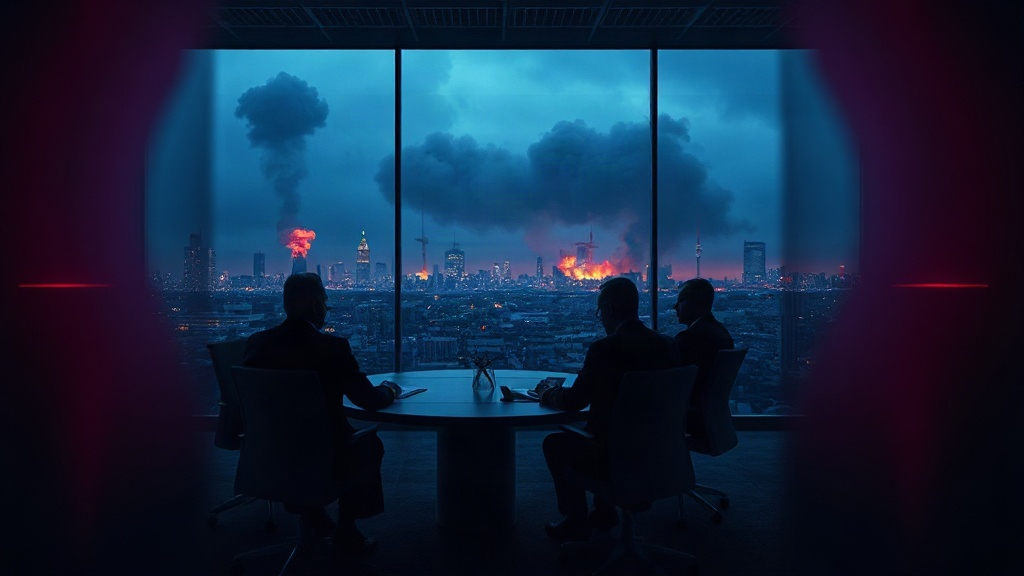
Russia’s latest overnight assault on Kyiv landed just as U.S.-led peace efforts appeared to gain procedural traction, exposing the central contradiction in the war: diplomacy is moving, but the fighting is intensifying. President Volodymyr Zelenskyy said Moscow fired 21 ballistic missiles at the capital in three waves, alongside drones and cruise missiles, after Steve Witkoff met Vladimir Putin in St. Petersburg. The strikes damaged homes, energy infrastructure, rail facilities, a metro site, businesses, and even a monastery, while killing and injuring civilians in Kyiv and nearby areas. Other Russian attacks also hit Kharkiv region, where officials reported additional deaths and injuries.
The talks themselves produced a tentative framework. According to the Kremlin, Putin agreed in principle to resume three-way negotiations with Washington and Kyiv after Nov. 10, with the agenda centered on a postwar security system. Witkoff described his discussions as constructive and said trilateral technical talks would continue. Zelenskyy publicly backed a swift restart, but he also warned that Russia’s missile barrage showed “no real changes” in Moscow’s posture. He argued that stronger air defenses, faster missile deliveries, the ability to strike launch systems, and sanctions remain necessary to alter Russian behavior.
The broader context is a widening, high-stakes diplomatic push. Witkoff’s meetings followed consultations in Oslo with Zelenskyy and European leaders, and they came amid renewed pressure from President Donald Trump for Kyiv to accept a deal. Trump said he wanted Zelenskyy to “make a deal,” while the Kremlin said the Oslo proposals had limited value, even as Moscow described them as a step forward. The discussions also touched on economic ties, European security, and possible future leader-level meetings.
At the same time, Ukraine is sustaining its own long-range campaign against Russia. Moscow said it intercepted more than 800 Ukrainian drones across multiple regions, while Russian airports faced temporary restrictions. The pattern suggests a war entering a more volatile phase, where negotiations, economic signaling, and battlefield escalation are now advancing together. The next test is whether the proposed talks can survive the next missile alert.